Indore, MP
Gambling disorder is a recognised medical condition, not a weakness of character. It activates the brain's reward system similarly to drugs, making it genuinely difficult to stop without professional help.
Recognising the Signs
If you experience any of the following, talk to a professional.
Many people think gambling disorder is just about losing money. It is not. It is about how gambling hijacks the brain's reward system, creating cravings, distortions, and compulsive behaviour that persist even when the financial consequences are devastating. The money problems are a symptom, not the cause.
Understanding the difference
| Feature | Social Gambling | Gambling Disorder |
|---|---|---|
| Control | Can set limits and stick to them | Repeatedly gambles more than intended |
| Chasing losses | Accepts losses as part of the game | Chases losses, gambling more to win back money |
| Impact | Does not affect relationships, work, or finances | Causes financial, relationship, and work problems |
| Lying | Open about gambling with family | Lies to conceal extent of gambling |
| Mood | Gambling is entertaining, not emotional | Gambling is driven by urge, escape, or desperation |
About this Condition
Gambling disorder involves persistent, problematic gambling behaviour that causes significant problems or distress. It is classified in the DSM-5 as a behavioural addiction, and for good reason: gambling activates the same brain reward pathways as drugs of abuse, producing dopamine surges that create craving, tolerance, and withdrawal-like symptoms.
In India, gambling is widespread despite legal restrictions in most states. Online gambling, cricket betting (particularly during IPL), card games, and lottery participation have exploded in recent years. The convenience and anonymity of online platforms have made gambling more accessible than ever, particularly for young men. The rise of betting apps has created a new generation of problem gamblers who may not even recognise their behaviour as addiction.
Gambling disorder affects an estimated 1 to 3% of the adult population worldwide. In India, prevalence rates are likely higher due to the cultural normalisation of certain forms of gambling and the lack of systematic epidemiological data. The condition affects men more than women, typically begins in adolescence or early adulthood, and worsens over time without treatment.
The cycle of gambling disorder is predictable: an urge to gamble, the act of gambling (often chasing losses), temporary relief or euphoria, followed by guilt, financial loss, and increased urge to gamble to win back what was lost. This chasing cycle is one of the most destructive patterns in addiction. Problem gamblers may lie to family, borrow or steal money, neglect work and relationships, and in severe cases, contemplate suicide.
Gambling disorder frequently co-occurs with depression, anxiety, ADHD, and substance use disorders. Treating these co-occurring conditions alongside the gambling produces significantly better outcomes than treating either alone.
The good news is that gambling disorder is highly treatable. CBT specifically adapted for gambling, combined with motivational enhancement therapy and, when appropriate, medication, produces significant improvement in 60 to 70% of patients.
Understanding the roots
Gambling triggers dopamine release in the brain's reward centre, creating a powerful reinforcement cycle. The anticipation of winning, not the win itself, produces the largest dopamine surge, keeping you chasing the next bet.
Problem gamblers develop systematic errors in thinking: the gambler's fallacy (believing past losses predict future wins), illusion of control (believing skill influences random outcomes), and chasing losses (believing the next bet will recover everything).
Stress, boredom, loneliness, depression, and anxiety are powerful triggers for gambling. Many people gamble to escape negative emotions, creating a cycle where gambling temporarily relieves the very problems it creates.
Easy access to gambling platforms, social normalisation of betting (especially cricket), financial pressure, and peer influence all contribute. Online gambling apps have made 24/7 access effortless.
Clinical Profile
These are the most commonly reported signs.
By the numbers
Global Prevalence
1 to 3%
of adults have gambling disorder
Source: WHO Global Burden of Disease Study
Suicide Risk
5 to 8x
higher suicide risk in problem gamblers compared to general population
Source: Journal of Gambling Studies
Treatment Response
60 to 70%
of patients improve significantly with CBT-based treatment
Source: APA Practice Guidelines
Outcomes
Before Your Visit
Knowing what to expect can ease the anxiety of your first appointment.
The Process
How we deliver treatment in Indore
A thorough evaluation of your gambling history, amounts, frequency, and impact on your life. Co-occurring conditions are screened for. Financial impact is assessed.
Identifying and challenging the cognitive distortions that maintain gambling. Developing strategies to manage urges and build alternative coping mechanisms. Motivational enhancement strengthens commitment to change.
Weekly sessions focus on building skills, managing cravings, and addressing the psychological patterns maintaining gambling. Practical strategies like self-exclusion and financial management are implemented.
Once gambling is stopped, the focus shifts to maintaining gains, managing triggers, and preventing relapse. Financial recovery and relationship repair are supported.
Questions
Yes. The DSM-5 classifies gambling disorder as a behavioural addiction. It affects the brain's reward centres similarly to substance use disorders, leading to cravings, tolerance (needing to gamble with increasing amounts), and withdrawal symptoms (restlessness or irritability when trying to stop). It is a medical condition, not a character flaw.
While CBT is the primary treatment, certain medications have shown promise. Naltrexone (an opioid antagonist) can reduce the urge to gamble. SSRIs may help when depression or anxiety is co-occurring. I assess whether medication is appropriate for your specific situation.
Most people benefit from 12 to 16 sessions of CBT-based therapy. Some improve quickly, while more complex cases or those with significant co-occurring conditions may require longer. I give you a realistic timeline after the first evaluation.
Yes. The treatment approach is the same whether gambling is online or offline. However, online gambling presents unique challenges: 24/7 access, anonymity, and ease of placing bets. Practical strategies like self-exclusion from gambling apps, blocking gambling websites, and app restrictions are important components of treatment.
No. Gambling disorder is a medical condition involving measurable changes in brain reward pathways. It is not about morality, character, or willpower. Labeling it as a moral failing prevents people from seeking the help they need. It is as much a medical condition as any other addiction.
Yes. Most people with proper treatment achieve significant and lasting improvement. Recovery involves not just stopping gambling but building the skills, support, and financial strategies to maintain a gambling-free life. Some people recover completely after a course of therapy; others benefit from ongoing support.
Approach them with concern, not accusation. Express specific observations about how gambling is affecting them. Offer to support them in seeking professional help. Avoid bailing them out of financial consequences, as this enables continued gambling. Family therapy can help the whole family understand and address the problem.
Cricket betting can be recreational or problematic. It becomes a disorder when you cannot control how much or how often you bet, when you chase losses, when it affects your relationships or finances, or when you lie about it. If any of these apply, it is worth seeking evaluation.
Your Doctor
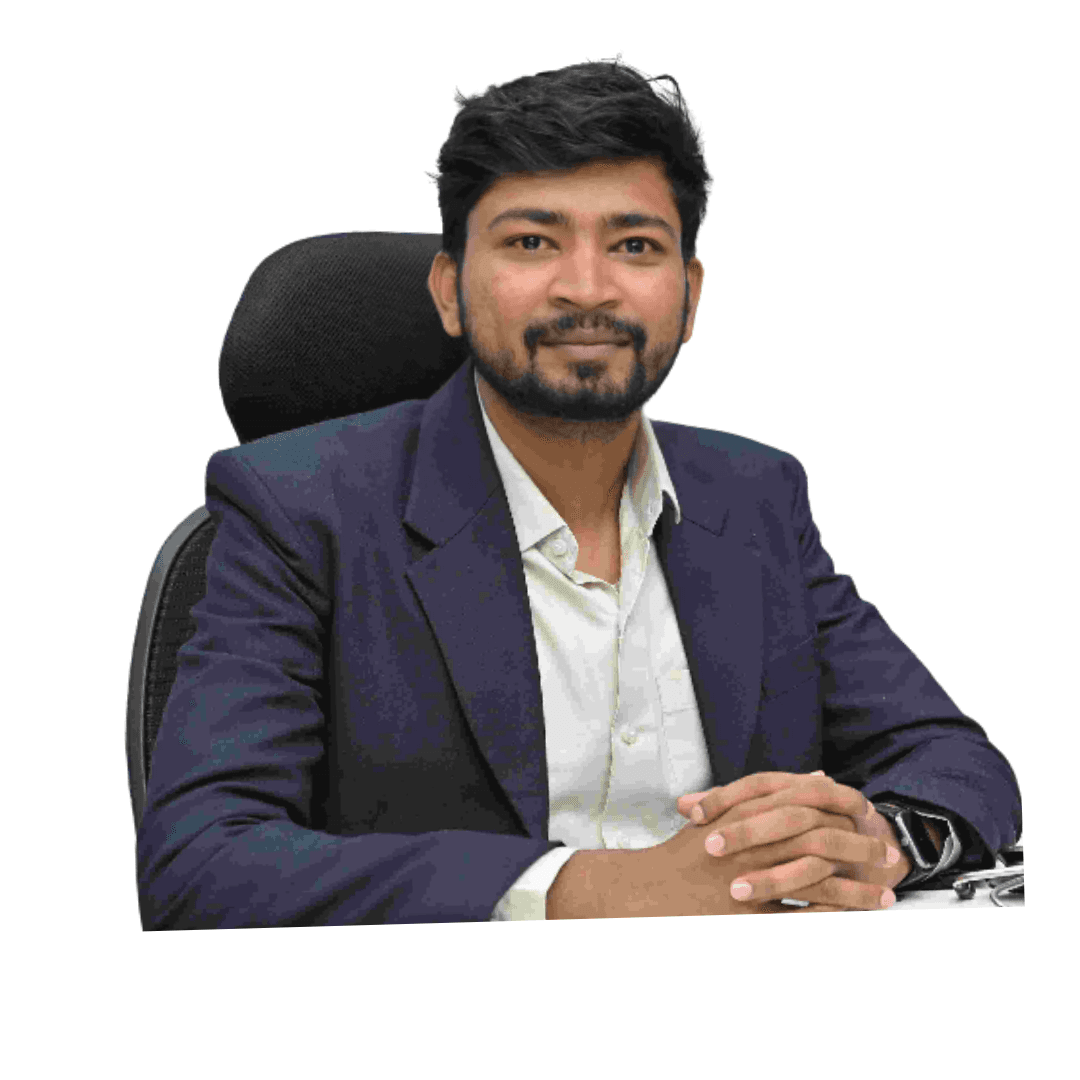
Psychiatrist — Gambling Disorder, Behavioural Addictions & Impulse Control
Dr Rajvardhan provides evidence-based treatment for gambling disorder, combining CBT with motivational enhancement therapy and, when appropriate, medication. He addresses co-occurring conditions that frequently accompany gambling addiction. Trained at AIIMS, Delhi, his clinic in Indore serves patients from across Madhya Pradesh with complete confidentiality.
Learn more about Dr RajvardhanExplore
Depression is a medical condition characterised by persistent low mood, loss of interest, and changes in sleep, appetite, and energy that last for weeks or months. It is not stress, weakness, or something you can simply snap out of. With expert psychiatric treatment in Indore, most people recover fully and feel like themselves again.
Learn more about DepressionAnxiety disorders are medical conditions characterised by persistent, excessive worry, physical tension, and fear that interfere with daily life. They are not a personality flaw or something you should be able to control alone. Expert psychiatric treatment in Indore can help you regain control.
Learn more about Anxiety DisordersAttention Deficit Hyperactivity Disorder (ADHD) is a neurodevelopmental condition involving persistent inattention, hyperactivity, and impulsivity that interfere with daily functioning. It is not laziness or a parenting failure. Effective medication and behavioural strategies are available for children and adults in Indore.
Learn more about ADHD (Attention Deficit Hyperactivity Disorder)