Indore, MP
Alcohol use disorder is a medical condition, not a moral failing. It changes brain chemistry, making it extremely difficult to quit without professional help. Safe, effective treatment is available.
Recognising the Signs
If you experience any of the following, talk to a professional.
Many people with AUD are labelled as weak or lacking willpower. This is not accurate. Alcohol changes brain chemistry, creating physical dependence that makes quitting without medical support genuinely dangerous. AUD is as much a medical condition as diabetes or heart disease. It is treatable, and seeking help is a sign of strength.
Understanding the difference
| Feature | Social Drinking | Alcohol Use Disorder |
|---|---|---|
| Control | Can limit intake easily | Repeatedly drinks more than intended |
| Cravings | No strong urge to drink | Intense cravings, thinking about drinking frequently |
| Consequences | Drinking does not cause problems | Drinking causes relationship, work, health, or legal problems |
| Withdrawal | No withdrawal symptoms when stopping | Tremors, anxiety, sweating, nausea, or seizures when stopping |
| Functioning | Daily life continues normally | Increasing inability to meet responsibilities |
About this Condition
Alcohol Use Disorder (AUD), commonly called alcoholism, is a chronic medical condition characterised by an inability to control or stop drinking despite negative consequences. It is one of the most common substance use disorders in India, affecting an estimated 30 to 40 million people, with higher rates among men, particularly in states where alcohol is readily available.
AUD is not about willpower or moral weakness. Alcohol changes brain chemistry, particularly the reward system (dopamine), stress response (cortisol), and prefrontal cortex (decision-making and impulse control). Over time, the brain adapts to the presence of alcohol, requiring increasing amounts to achieve the same effect (tolerance), and experiencing distress when alcohol is withdrawn. This neuroadaptation makes quitting without medical support genuinely dangerous and extremely difficult.
Alcohol affects every organ in the body. Chronic use leads to liver disease (fatty liver, hepatitis, cirrhosis), cardiovascular problems, neurological damage, gastrointestinal issues, weakened immunity, and increased cancer risk. It also profoundly affects mental health, causing or worsening depression, anxiety, sleep disruption, and cognitive impairment.
In India, alcohol carries enormous stigma, which prevents many people from seeking help. Families often suffer in silence, and the person with AUD may be labelled as weak or lacking character. This stigma delays treatment and worsens outcomes. AUD is a medical condition with well-established treatments, and seeking help is a sign of strength, not weakness.
Alcohol withdrawal can be medically dangerous. For people with severe dependence, abrupt cessation can cause tremors, seizures, delirium tremens (DTs), and in rare cases, death. This is why medically supervised detoxification is essential for anyone with significant alcohol dependence. Do not attempt to stop drinking abruptly without medical guidance.
The good news is that AUD is treatable. A combination of medically supervised detoxification, medications to reduce cravings (naltrexone, acamprosate, disulfiram), psychotherapy (CBT, motivational enhancement), and relapse prevention strategies produces significant improvement in 60 to 70% of patients.
Understanding the roots
Alcohol alters dopamine, GABA, and glutamate systems in the brain. Over time, the brain adapts to alcohol's presence, creating physical dependence. This is a biological process, not a character flaw.
Genetic factors account for 40 to 60% of AUD risk. Having a parent with alcoholism increases your risk 2 to 4 times. Multiple genes interact with environmental factors.
Depression, anxiety, PTSD, ADHD, and other mental health conditions increase AUD risk. Many people use alcohol to self-medicate emotional pain, which creates a secondary addiction.
Peer pressure, cultural norms around drinking, stress, trauma, availability of alcohol, and socioeconomic factors all contribute. India's expanding alcohol market and aggressive marketing increase exposure.
Clinical Profile
These are the most commonly reported signs.
By the numbers
India Affected
30 to 40M
Indians live with alcohol use disorder
Source: National Mental Health Survey, 2015-16
Treatment Gap
~90%
of people with AUD in India receive no treatment
Source: Lancet Psychiatry, 2019
Treatment Response
60 to 70%
of patients improve significantly with comprehensive treatment
Source: APA Practice Guidelines for AUD
Outcomes
Before Your Visit
Knowing what to expect can ease the anxiety of your first appointment.
The Process
How we deliver treatment in Indore
A thorough evaluation of your drinking history, severity of dependence, withdrawal risk, and co-occurring conditions. Blood work and liver function tests may be recommended.
Medically supervised withdrawal management. Medications manage withdrawal symptoms safely. Close monitoring ensures your physical safety throughout the process.
Medications (naltrexone, acamprosate, or disulfiram) reduce cravings. CBT and motivational enhancement therapy address psychological triggers. Relapse prevention strategies are developed.
Ongoing medication management, regular follow-ups, and support for maintaining sobriety. Relapse prevention plans are refined. Family involvement is encouraged where appropriate.
Questions
For individuals with significant alcohol dependence, abrupt cessation can cause dangerous withdrawal symptoms including tremors, seizures, hallucinations, and delirium tremens (DTs), which can be life-threatening. Always seek medical supervision before stopping heavy drinking. I provide safe, medically supervised detoxification.
Many patients can be treated on an outpatient basis with close monitoring. However, if withdrawal symptoms are severe, if there are medical complications, or if the home environment is not supportive, a brief hospital stay may be recommended for safety. I assess each situation individually.
Abstinence is the recommended goal for moderate to severe AUD, as controlled drinking is difficult for people with significant dependence. However, the definition of recovery is personal. Some patients aim for complete abstinence, others for harm reduction. I work with you to set realistic, meaningful goals.
Three medications are approved for AUD in India: Naltrexone (reduces the rewarding effects of alcohol and decreases cravings), Acamprosate (restores brain chemistry balance and reduces protracted withdrawal symptoms), and Disulfiram (creates an unpleasant reaction if alcohol is consumed). I select the best option based on your situation.
AUD is a chronic condition, but it is highly treatable. Most people with proper treatment achieve significant and lasting improvement. The goal is not just stopping drinking but building the skills, support, and lifestyle that sustain recovery. Relapse is a part of many recovery journeys, not a failure.
Dual diagnosis means having both AUD and another mental health condition (depression, anxiety, PTSD, bipolar disorder) simultaneously. This is very common, 30 to 50% of people with AUD have a co-occurring mental health condition. Treating both simultaneously produces significantly better outcomes than treating either alone.
Detoxification typically takes 5 to 10 days. Medication management continues for 6 to 12 months or longer depending on response. Therapy (CBT, relapse prevention) typically involves 12 to 20 sessions initially, with ongoing follow-ups. Recovery is a long-term process, and I provide support throughout.
For people with moderate to severe AUD, even small amounts of alcohol can trigger a return to problematic drinking patterns. I recommend abstinence for most patients, particularly in the first year of recovery. If you are considering controlled drinking, we discuss the risks honestly.
Your Doctor
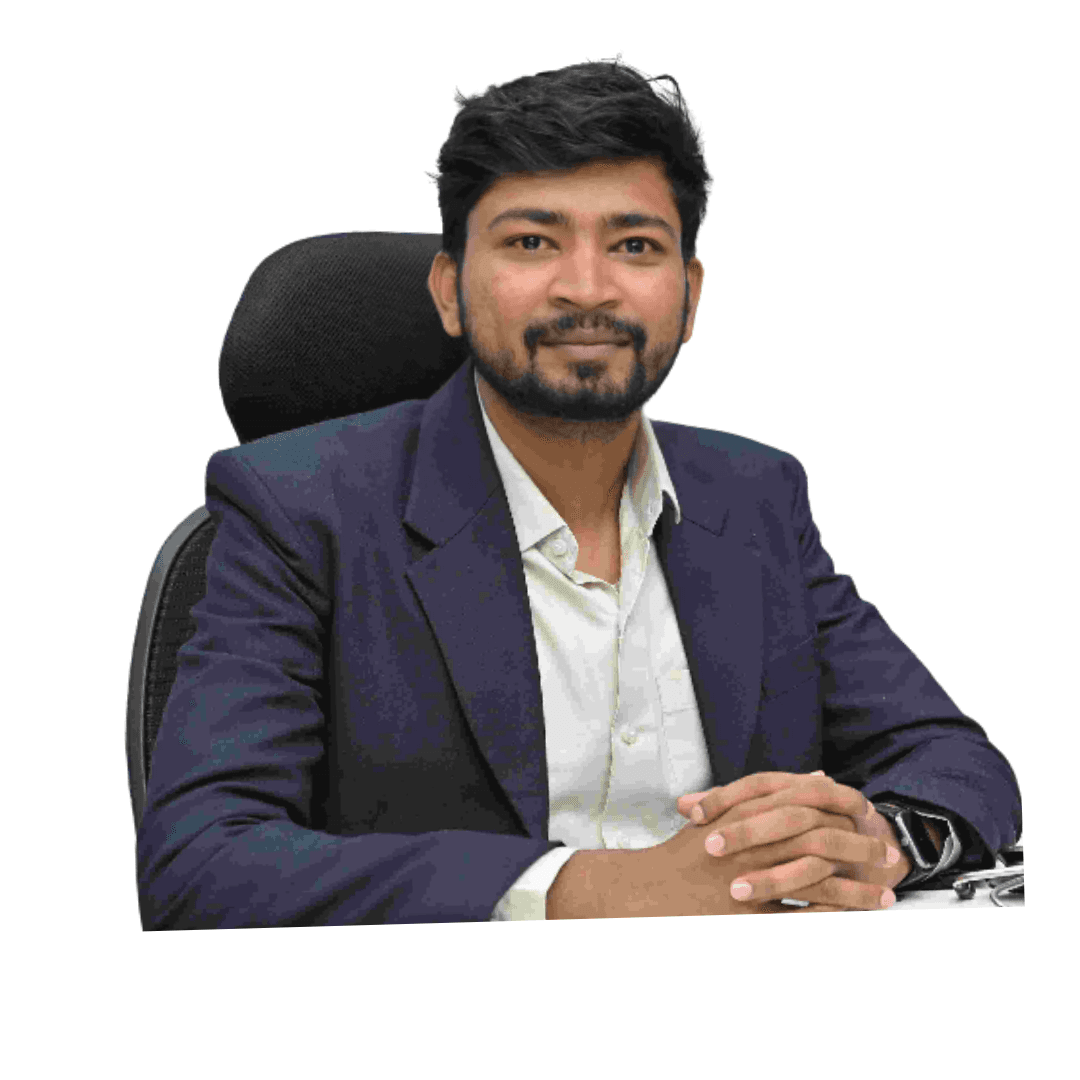
I provide comprehensive, evidence-based treatment for alcohol use disorder, including medically supervised detoxification, medication management for cravings, and psychotherapy for relapse prevention. My clinic is based in Indore and sees patients from across Madhya Pradesh, both in person and online.
Learn more about Dr RajvardhanExplore
Depression is a medical condition characterised by persistent low mood, loss of interest, and changes in sleep, appetite, and energy that last for weeks or months. It is not stress, weakness, or something you can simply snap out of. With expert psychiatric treatment in Indore, most people recover fully and feel like themselves again.
Learn more about DepressionAnxiety disorders are medical conditions characterised by persistent, excessive worry, physical tension, and fear that interfere with daily life. They are not a personality flaw or something you should be able to control alone. Expert psychiatric treatment in Indore can help you regain control.
Learn more about Anxiety DisordersIf you struggle with sleepless nights in Indore, lying awake at 3 AM or waking up tired every morning, your sleep cycle is out of rhythm. Chronic insomnia is a medical condition that responds well to structured care. As an AIIMS-trained psychiatrist in Vijay Nagar, Indore, I help you rebuild your natural sleep using proven CBT-I therapy and medical evaluation, avoiding long-term sleeping pills.
Learn more about Insomnia & Sleep DisordersWhen you go through an overwhelming experience, your brain's fear system can get stuck in high alert. With structured psychiatric care and evidence-based therapy in Indore, you can calm that alarm, process the memory, and feel like yourself again.
Learn more about PTSD & Trauma